// Memorial Day next week, when corporate America slows down and Founders remember that luxury doesn’t apply to them.
… And for any new readers, welcome to Signal // Noise — the newsletter read by founders, CEOs, and scrappy builders every Thursday. Each week, what I’m listening to, one deep dive, notes from the field, three links worth your time. No buzz, no bullshit.

| MIXTAPE |
🎧
|
These guys remind me of The Mountain Goats a bit, in the best of ways.
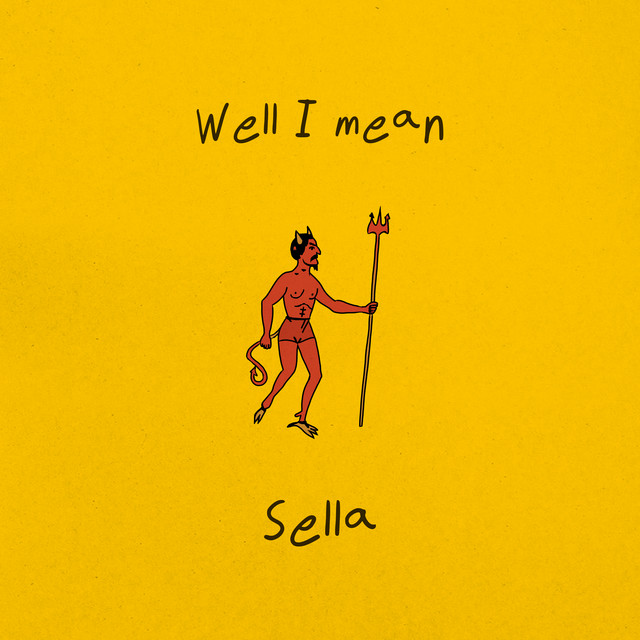
🎧 Want the whole vibe? Find & bookmark the running playlist right here.
| THE SIGNAL |
📡
|
When Your Top Line Is Misleading
I wrote a longer post last week on the Starbucks turnaround under new CEO Brian Niccol.
Sounds like a big company coffee story, but the lessons are relevant for anyone building or running a company.
Here are three critical takeaways if you don't want the full version:
1. Don’t forget about the invisible pillars.
Every business has very visible pillars (price, product, distribution), and then some invisible ones, too (warmth, ritual, customer service, brand, the feeling of actually using your thing).
When growth slows or pressure rises, founders rationally double down on what shows up cleanly on a P&L and sometimes, quietly let the invisible pillar rot.
That's exactly what Starbucks did. Niccol called it brand drift. I'd call it value-prop drift. Either way, it shows up first in your gut, not on your dashboard, and that makes it hard to notice and diagnose.
2. Revenue can lie to you for a long time.
Through fiscal 2024, Starbucks revenue was growing. On the surface, all seemed well.
Transactions, though, were down 4% for the year, down 8% in Q4. Fewer people were coming, but higher prices covered up the gap.
If you only looked at revenue, the business looked fine. If you looked at who was coming and how often, it was slowly beginning to bleed out.
Any business with pricing power can do this for longer than is healthy.
You may feel something's off, but revenue's up, so you ignore it.
Don't.
3. Make sure you pick the right leading indicator.
I’m always shocked at how few CEOs know the difference between a leading & lagging indicator.
Quick refresher: lagging indicators tell you what already happened. Leading indicators tell you what's about to.
The delineation matters because one you can still do something about, while the other's already in the books.
Revenue is lagging. By the time it's red, the behavior already shifted 12 to 24 months ago.
A few leading indicators worth watching:
SaaS: logins per active user, time-in-product, support tickets
Newsletters: open rate, reply rate, time-to-unsubscribe
E-commerce: repeat purchase rate, time between orders, cart abandon rate
Community: posts per active member, share who actually post, attendance rate
Just make sure you pick the right one, and trust it when the lagging number disagrees.
Full post here, including how the Starbucks turnarounds’ actually playing out.
| FIELD NOTES |
📝
|
The Design Feedback Loop Just Collapsed
The unlock with AI isn’t just that you can “make a website”, it's that the loop between idea and visual output shrinks from days to seconds.
I just redesigned my entire site using Cowork. Zero agency fees: eight pillar pages, multiple rounds each, all rendered live as I iterated. I show you how I did it in the blog post below.


| A FEW JAWNS TO CHECK OUT |
🔗
|
🧮 Sharp Read // Working Capital Is the Cheapest Money You'll Ever Raise
Most founders treat working capital like accounting trivia. The Secret CFO treats it as a funding strategy: collect before you pay and your customers fund the business, get the timing wrong and your investors do. Dense breakdown, but a real one if you're scaling anything where cash moves on a clock.
🧠 Smart Hack // Make Gemini Watch YouTube
Paste any YouTube link into Gemini and it'll summarize, pull key takeaways, or teach you the whole thing in seconds. The built-in YouTube integration means you get full context where ChatGPT and Claude have to scrape whatever transcript or metadata they can find. Easiest productivity unlock of the week.
📕 Great Post // The Vertical AI Moment Has Arrived
AI is shifting from broad "do anything" tools toward products tightly built around specific workflows, outputs, and use cases. The winners probably won't be the ones with the most features. They'll be the ones that own a painful job or high-stakes workflow and make it dramatically faster, cheaper, or better.
Make sure you always remember to trust your gut, sometimes the spreadsheet is a few quarters behind.
And until next time, thanks for reading.
Jordan
P.S. Wanna work on something? Got a pod or content idea? → Email me | Need 30–60 min of advice? → Book here | Want a coach in your corner? → More info